
Campaign Against Missing Children
Our Journey in Supporting Missing Children
Our work on missing children began in 2006, when six distressed parents from Nangloi – West Delhi approached us for help. Each had a missing child, but there was little to no progress in their cases. Shockingly, we discovered that in most instances, no FIRs (First Information Reports) had been filed—only Daily Diary (DD) entries were recorded. This meant the police were not pursuing the cases with the urgency required.
Out of the six cases, we successfully rescued one girl from Ajmer, Rajasthan, where she had been trafficked. Her case was formally registered as a trafficking case, and this marked a turning point in our understanding of how missing children’s cases were being handled.
We realized that many parents were struggling, not only with the trauma of a missing child but also with indifference and insensitive behaviour from law enforcement. To uncover the truth and demand accountability, we filed Right to Information (RTI) applications across Delhi Police inquiring about:
When the data came in 2009, the findings were deeply alarming. In just three years:
We compiled and shared this data with the media. The report drew significant public attention, and as a result, the Honourable High Court of Delhi took Suo motu cognizance of the issue, questioning the police:
The Hon’ble Court has issued significant directions to the Commissioner of Delhi Police for the effective handling of missing children’s cases. The Court has mandated the development of a Standard Operating Procedure (SOP) to streamline the process. As per the directive, if a missing child is not found within 24 hours, the Daily Diary (DD) entry must be converted into an FIR without delay. The Court has also instructed Delhi Police to submit timely status reports on missing children’s cases before the Court.
In addition, the Hon’ble Court has directed the Delhi State Legal Services Authority (DSLSA) and the Delhi Commission for Protection of Child Rights (DCPCR) to proactively address this issue. Both institutions have been assigned specific responsibilities to ensure better coordination and support for the families of missing children. This legal intervention created critical pressure for systemic change. Since then, we have continued our mission to support families of missing children, ensure proper legal action is taken, and advocate for child protection at the policy level.
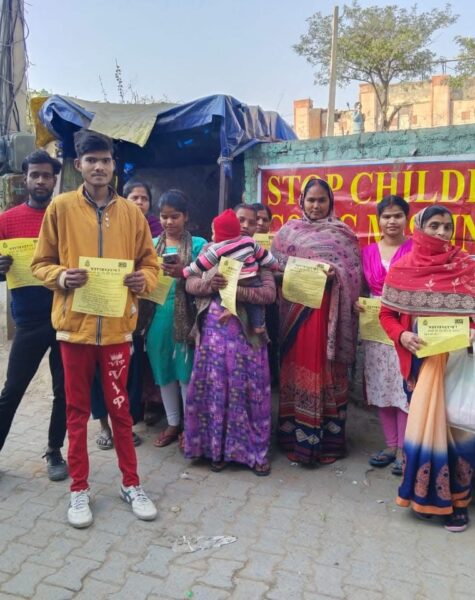
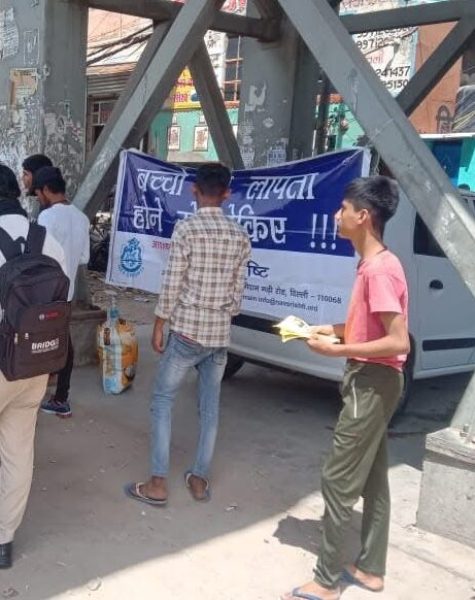
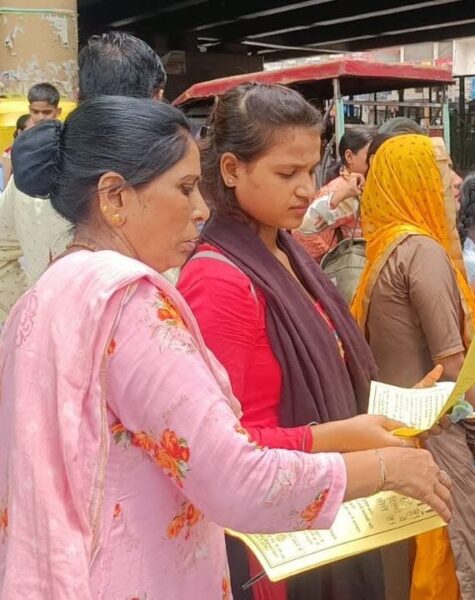
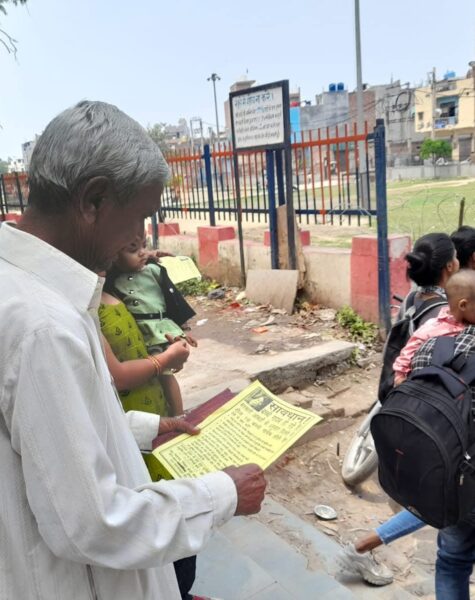
Nav Srishti works closely with both the community and the system with the core objective of reducing the number of missing children. Our approach focuses on community awareness, early intervention, and advocacy with concerned authorities to ensure timely and effective action in every case.
At Nav Srishti, we stand beside families in the most difficult times—when a child goes missing. Our team reaches out to affected families, providing emotional and practical support. We accompany parents to relevant authorities, follow up on case progress, and offer counselling to help them cope with fear and trauma.
In cases where any suspicious information comes to light, we immediately inform the police to ensure timely action. This collaborative and compassionate approach has led to the successful recovery of over 200 missing children. Our work doesn’t end there. Once a child is found, we ensure they are reconnected with education and supported in returning to a safe and stable environment. We remain in touch with both the family
and school to help prevent any further disruption in the child’s life and learning.
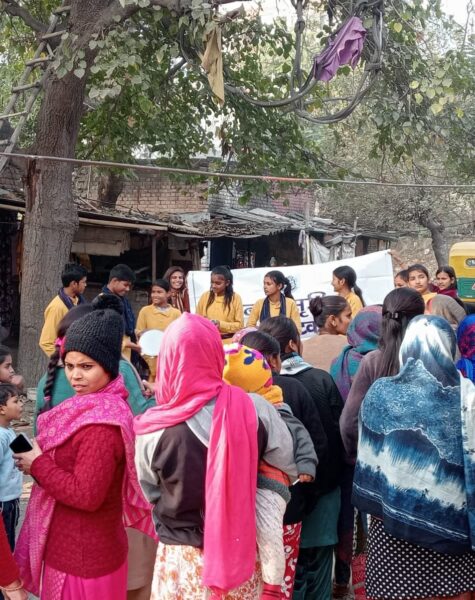
To strengthen child protection and community safety, we have formed Community Vigilance Groups and developed a network of Whistleblowers. These groups and individuals actively monitor vulnerable women and children in our operational areas. In many cases, thanks to their prompt action and alertness, missing children have been traced and recovered within 24 hours. Our whistleblowers are often local street vendors—such as tea stall
owners, roadside food vendors, paanwalas, presswalas, and vegetable sellers etc. Who observe their surroundings closely and report any suspicious activity or the presence of vulnerable children.
The Community Vigilance Groups also keep a watchful eye on their neighbourhoods. If they witness any suspicious behaviour or signs of victimization, especially involving children, they immediately raise an alarm and take necessary action.
We regularly sensitize and train these individuals, and establish strong linkages with the police, child helplines, and other relevant stakeholders to ensure timely intervention and support.
Our relentless effort: